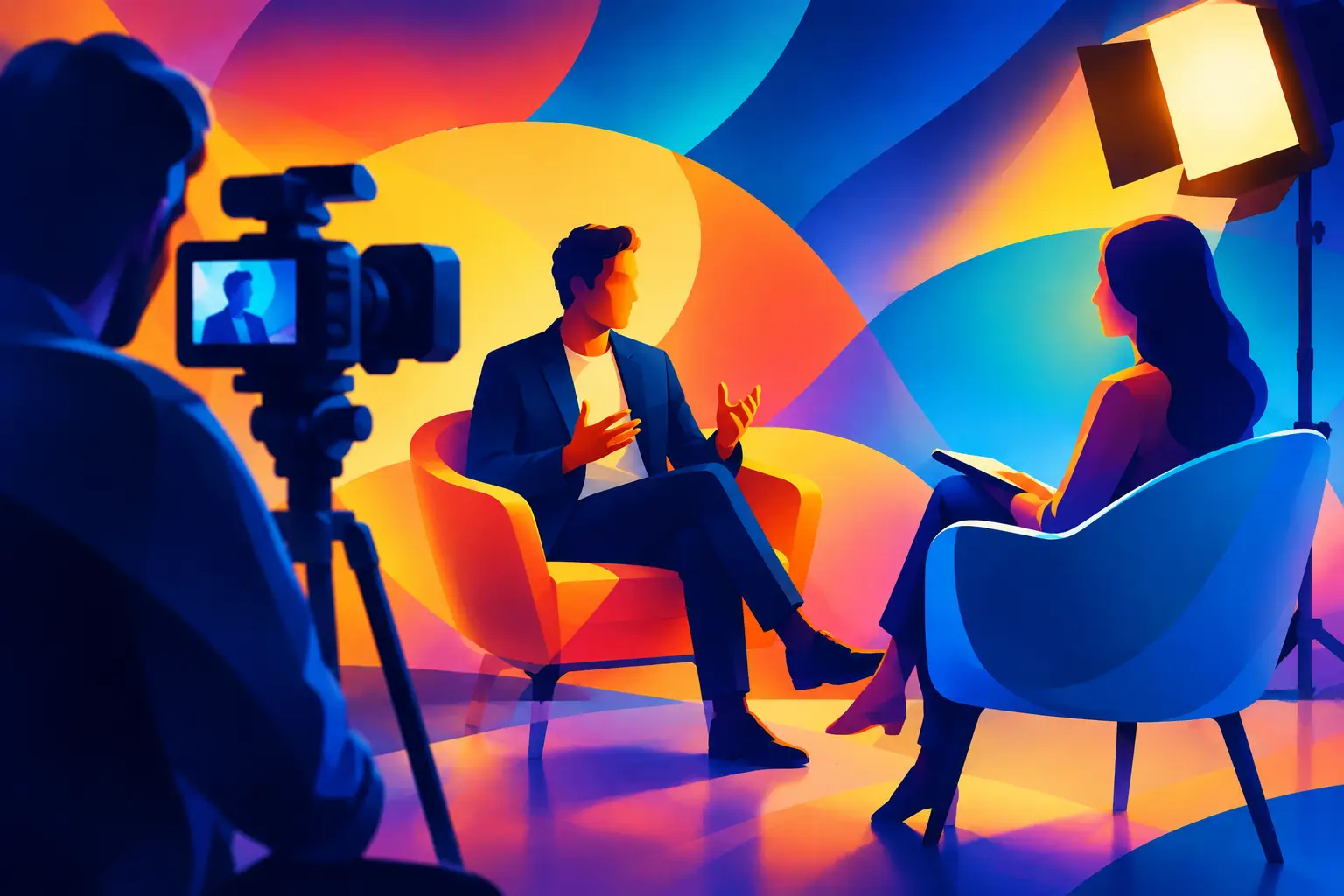
A good interview is won or lost before the first question. So, can daylight studios film interviews? Absolutely – provided the space, schedule and visual direction are working together. Daylight can give a conversation warmth, depth and an editorial ease that feels less manufactured than a fully lit set. It can also change quickly, reveal every weak point in a location and complicate continuity across a long filming day.
For brand films, founder stories, recruitment content, press interviews and social-first campaigns, a daylight studio can be the right call. The decision comes down to the kind of frame you need, how much control the production requires and how long the interview needs to run.
Can daylight studios film interviews professionally?
Yes. A daylight studio is a strong setting for interviews when the brief benefits from a natural, considered look rather than a neutral black-box finish. Window light creates soft direction, especially when the subject is positioned at an angle to the source. It can shape the face without making the setup feel visibly lit, which suits lifestyle brands, editorial portraits and human-centred campaign work.
The best results do not come from simply placing someone beside a window. A professional interview setup still needs deliberate framing, exposure control, clean sound and a background that supports the story. Natural light is the starting point, not the entire lighting plan.
The practical question is not whether daylight works. It is whether the available daylight is consistent enough for the brief. A short, single-subject piece filmed across a few hours has different demands from a campaign featuring six contributors, multiple camera angles and two days of pickup shots.
What daylight adds to an interview frame
Daylight-led spaces bring character before a light stand enters the room. The fall of light, the scale of windows and the texture of the surrounding interior can help an interview feel grounded in a real environment. This is particularly useful when a brand wants authenticity without sacrificing production value.
For a seated interview, positioning the subject roughly 45 degrees from the main window often creates a flattering balance of shape and softness. The camera can sit on the shadow side or closer to the light side depending on the desired mood. A brighter, open frame may feel direct and optimistic; more contrast can lend focus and intimacy.
Background matters as much as the subject. Daylight studios often offer visual depth through walls, furniture, architectural detail or a fall-off towards darker areas of the room. Keep the background intentional. A shallow depth of field can soften distractions, but it cannot rescue a frame containing stray cases, cables, coat rails or a busy view outside.
A space such as The Loft at Lit Studios gives productions a daylight-led environment for editorial, lifestyle and branded content work. It suits interviews that need to feel polished without looking overly staged.
The trade-off: natural light is not fixed light
A daylight interview can look excellent at 10am and noticeably different by 2pm. In Dublin, cloud cover can move quickly, and seasonal daylight hours make scheduling a genuine production consideration rather than an afterthought.
If the interview will be edited as one continuous conversation, modest shifts in brightness may be manageable. If it includes cutaways, multiple takes or footage filmed over several sessions, inconsistency becomes more visible. A bright patch of sun behind the subject in one answer and flat overcast light in the next can make an edit feel fragmented.
This does not rule out daylight. It means the crew should plan for it. Diffusion can soften direct sun. Blackout can reduce spill where needed. A key light or soft source can be used to maintain the subject’s exposure when daylight drops. In many successful setups, daylight provides the atmosphere while artificial light protects continuity.
The more precise the brief, the more useful it is to treat the windows as one component of the lighting design. For a tightly art-directed campaign, a controlled blackout studio may be the safer choice. For a conversational film with an organic visual language, a daylight space can give the production exactly the right texture.
Sound is the first practical test
Natural light does not guarantee a quiet room. When assessing a daylight studio for interviews, ask about sound before deciding on the visual setup. Large windows can bring in traffic, aircraft, street activity, wind and rain. Timber floors, high ceilings and hard surfaces can also create reflections that make voices feel distant or harsh.
A small, well-prepared audio setup goes a long way. A lavalier microphone gives the editor usable close dialogue, while a boom microphone adds a natural backup track. Soft furnishings, rugs and acoustic treatment can reduce unwanted room tone. Most importantly, record a short test with the subject seated in position before the full crew is ready to roll.
Listen through headphones, not just the camera metres. A sound that seems minor in the room can become distracting once dialogue is cleaned and compressed in post-production. Plan time for pauses if external noise is intermittent, and make sure everyone on set knows that a quiet room is part of the shoot.
Build the schedule around the windows
Daylight interview shoots benefit from a schedule that respects the light rather than fighting it. Start by identifying the best time for the room. The direction of the windows, the season and nearby buildings will affect whether the space receives soft indirect light or strong sun.
For a single interview, filming key talking-head material during the most reliable light period is usually sensible. Capture cutaways, hands, walking shots, product details and wider room imagery before or after, when minor changes in exposure will be less obvious. If several contributors need the same look, keep their primary setups close together.
Avoid placing the final interview slot at the edge of winter daylight unless the production has a lighting plan ready. The issue is not only brightness. Colour temperature can shift as natural light fades, making matching shots harder. A controlled source can maintain balance, but it needs to be factored into crew, kit and setup time.
Keep the interview setup simple
A daylight space can encourage over-styling because the room already looks good. Resist adding visual clutter just to fill the frame. An interview needs a clear subject, an appropriate setting and enough negative space for the viewer to settle into the conversation.
Choose wardrobe with the background and windows in mind. Fine patterns can cause problems on camera, while very bright white clothing can pull attention towards highlights. Mid-tones and solid colours are often easier to expose. If the subject wears glasses, test for window reflections before the interview begins and adjust their angle by a few degrees if necessary.
Camera placement should also protect the natural feel of the room. A long lens from too far away can flatten the space; a very wide lens can make a close interview feel exposed or distorted. The right choice depends on the room and intended delivery, but a composed medium shot with room for a second angle is often enough for a confident, usable edit.
When a blackout studio is the better interview choice
There are briefs where daylight creates more risk than value. If the campaign requires exact colour, repeatable exposure, dramatic lighting or a clean graphic background, a blackout environment gives the crew control from the outset. This is particularly useful for product-led interviews, high-volume content days, green screen work and productions that need to continue into the evening.
A controlled studio also makes it easier to build a signature visual world. Light can be placed exactly where it is needed, backgrounds can remain consistent, and the frame will not change with the weather. The trade-off is that the crew must create the softness and atmosphere that a daylight studio may offer naturally.
The strongest decision is often made by asking what the viewer should feel. If the interview should feel open, editorial and connected to a real place, daylight may be the right foundation. If it needs precision, consistency and a designed visual language, choose the controlled environment.
Before booking, share the call sheet, intended shoot window, crew size, camera plan and a few visual references with the studio team. A short production conversation can reveal whether the daylight space will support the brief as it stands, or whether a more controlled setup will make the day run better.
Leave a Reply