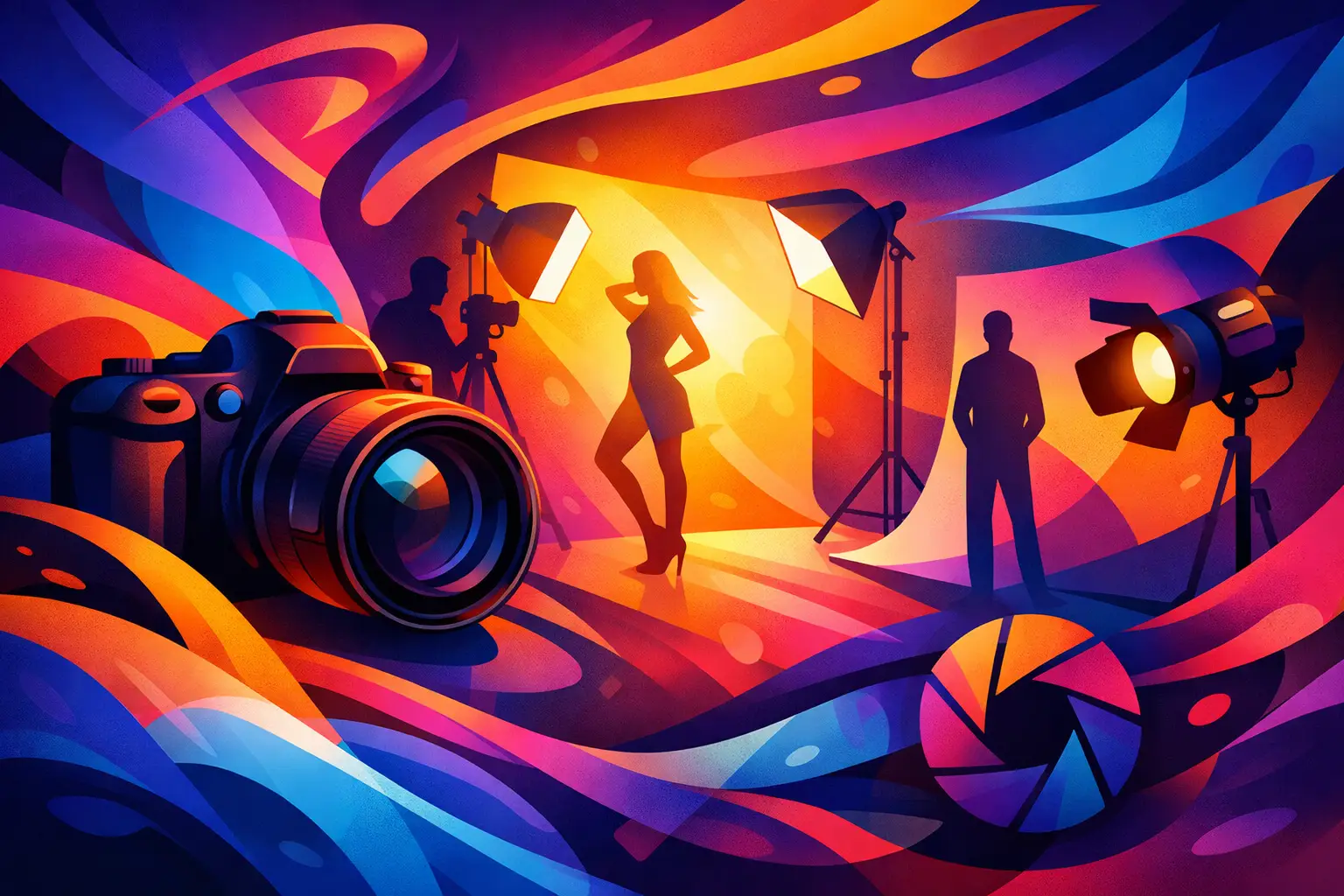
A location can either support the brief or quietly work against it. When you are booking photography studio hire Dublin, the decision is rarely just about finding four walls for a few hours. It is about choosing the light, control and pace that will let the work land as intended.
A beauty campaign may need complete command of every reflection and shadow. An editorial portrait might need daylight with a softer, more lived-in feel. A content day can require enough flexibility to move quickly between stills, video, product details and social cutdowns. The right studio environment makes those choices easier before the first frame is shot.
Start with the visual brief
Before looking at floor plans, equipment or rates, define what the final assets need to feel like. This sounds obvious, but it prevents a common production problem: choosing a space because it looks good online, then spending valuable shoot time trying to make it behave differently.
Ask whether the work needs controlled light or available light. Consider the format too. A campaign with carefully art-directed product imagery has different demands from a creator-led video series, while a fashion shoot may need both a lighting setup and room for styling, rails, changing and crew movement.
The useful question is not simply, “Which studio is nicest?” It is, “Which environment gives this brief the fewest compromises?” A clear answer saves time in pre-production and creates more consistent results across the final edit or image set.
Photography studio hire Dublin: blackout or daylight?
Most studio decisions come down to the kind of light you need to control. A two-environment studio setup is valuable because it gives production teams a practical choice rather than asking one room to do everything.
Choose blackout for precision
A blackout corner gives you a controlled starting point. There is no shifting daylight to manage and no unexpected changes in exposure as the weather turns. That makes it particularly effective for flash-led photography, cinematic video, product work, beauty, e-commerce, interviews and shoots where repeatability matters.
Controlled darkness is not about making every image look dramatic. It gives the photographer or director of photography authority over the image. You can build a soft, clean lighting scheme, create high contrast, isolate a product, shape a precise highlight or maintain a consistent look across a long shoot day.
The trade-off is that every element has to be made. Lighting, mood and apparent time of day are all deliberate choices, which can take more preparation. For a crew with a developed lighting plan, that is the point. For a fast-moving team looking for natural energy with minimal setup, daylight may be the better route.
Choose daylight for character and pace
A daylight studio brings a different quality to the work. Natural light can make portraits, lifestyle scenes, editorial fashion, wellness content and social-first brand assets feel immediate and human. It is often a strong choice where the concept calls for texture, softness or a less constructed visual language.
Daylight also helps clients and talent read the set quickly. On a content-led shoot, that can support a more relaxed working rhythm, especially when the aim is to create a volume of authentic-looking assets across multiple formats.
But daylight is variable. Dublin light can be beautiful, diffused and flattering, yet it can also shift quickly. If your shot list depends on matching frames from morning to afternoon, plan for that variability. Bring lighting to support or supplement the available light, schedule the most light-dependent scenes carefully, and allow enough time for resets.
At Lit Studios, The Void is designed for blackout-corner control, while The Loft offers a daylight-led space. The distinction is simple, but useful: choose the room that already speaks the visual language of the brief.
Plan the studio day before you book it
A good studio booking starts with a realistic view of what must happen in the room. Not just the hero shot, but the full production day around it.
Begin with the deliverables. Count the products, looks, talent changes, set builds and video setups. If the team needs campaign stills, behind-the-scenes content, vertical video and product cutaways, build a shot list that shows where each format can be captured efficiently. This will tell you whether you need one refined setup or enough space and time to create several distinct scenes.
Then consider who needs to be present. A lean portrait shoot may run comfortably with photographer, assistant, stylist and client. A commercial production can quickly include production, agency, art direction, hair and make-up, talent, wardrobe, sound, video crew and client stakeholders. The room needs to work for the people behind the camera as well as the subject in front of it.
Equipment should be confirmed early rather than treated as an afterthought. Check what is available in the studio and what the team will bring, from lighting and modifiers to stands, grip, monitor setup and sound kit. If you are shooting video, think about power, ambient noise, control of spill and enough room to keep the frame clean.
Build a schedule with room for the real work
The most productive shoot days are not crammed shoot days. A tight schedule is useful, but only when it includes the practical moments that make the polished frames possible: load-in, lighting tests, styling adjustments, talent preparation, client review, resets and pack-down.
For stills, allow time to test your intended lighting before the subject arrives. It is faster to resolve the direction on an empty set than with a client waiting behind the monitor. For video, test sound as well as picture. A frame can look perfect and still be unusable if an unexpected noise sits underneath the dialogue.
If the booking includes both photography and video, decide which discipline leads the day. Video often requires more time for lighting, sound and repeated takes, while photography may move faster once the set is established. Running both in parallel can work, but only if the crew, space and brief are designed for it. Otherwise, one can easily slow the other down.
Make the space work harder
A studio is most valuable when it supports more than one output. That does not mean forcing every asset into the same corner. It means planning a coherent system around the day.
One lighting setup may produce a campaign portrait, detail shots, a short interview and vertical social assets with modest adjustments. A daylight scene can deliver lifestyle stills, motion clips and simple product interactions before it is reset for a second look. The consistency comes from art direction, styling and colour palette, not from repeating the exact same frame.
Keep the client approval process clear. Agree in advance who signs off lighting, framing, styling and selects. This avoids stopping the shoot every few minutes for competing feedback. For agency and brand teams, a tethered review setup can be particularly useful, but it still needs one person to make the final call.
It is also worth protecting the visual focus of the set. Crew bags, spare kit, catering and personal items have a habit of travelling into shot or narrowing the available working area. Establishing a clear kit zone and a separate client area keeps the space calm and lets the team move with purpose.
What to confirm with a Dublin studio
Rates matter, but the cheapest available room is not always the most cost-effective option. A studio that suits the brief can reduce additional lighting hire, minimise location dressing, shorten setup time and help the team capture more usable assets in the booked window.
Confirm the booking duration, access times and whether load-in and pack-down sit within the hire period. Check the studio dimensions, ceiling height, blackout capability, daylight character and available equipment. If your shoot has particular requirements, such as a large set build, a client presentation area, sound-sensitive dialogue or a substantial crew, raise them before the day rather than improvising on arrival.
For first-time studio hirers, do not be put off by the production language. The essential information is straightforward: what are you making, how many people are involved, what light do you need, what equipment is required and how long will it take? A good booking conversation should turn those answers into a suitable space and workable plan.
The strongest studio days feel considered without feeling overcomplicated. Choose the environment that matches the image in your head, give the crew enough room to make it, and leave space in the schedule for the unexpected good frame.
Leave a Reply